A Lost Dispatch from Equador
Tales from another life

In 2024, I attended the Nowhere Summit in Ecuador with several friends, old and new. Alex Petkas provides a good description of the event here:
Technological, political, and societal change are happening at an alarming rate. There are huge, asymmetric opportunities for network-institution builders that simply did not exist 5 years ago.
But it’s hard to stay on top of all developments - to get up to speed not just on what people are doing, but how they are doing it.
…
We want to equip ourselves - and you - to participate in the network revolution going on behind the scenes, which you may periodically see the results of in the news cycle. We want to help you to become a more active participant, a “Live Player.”
People who make the most of the network revolution (which is happening, whether you and I like it or not), are going to be best positioned to serve their countries, communities, businesses, and families. Those who don’t wont. The issue is urgent.
A Platonian summit seeking to be everywhere, nowhere and “now here.”
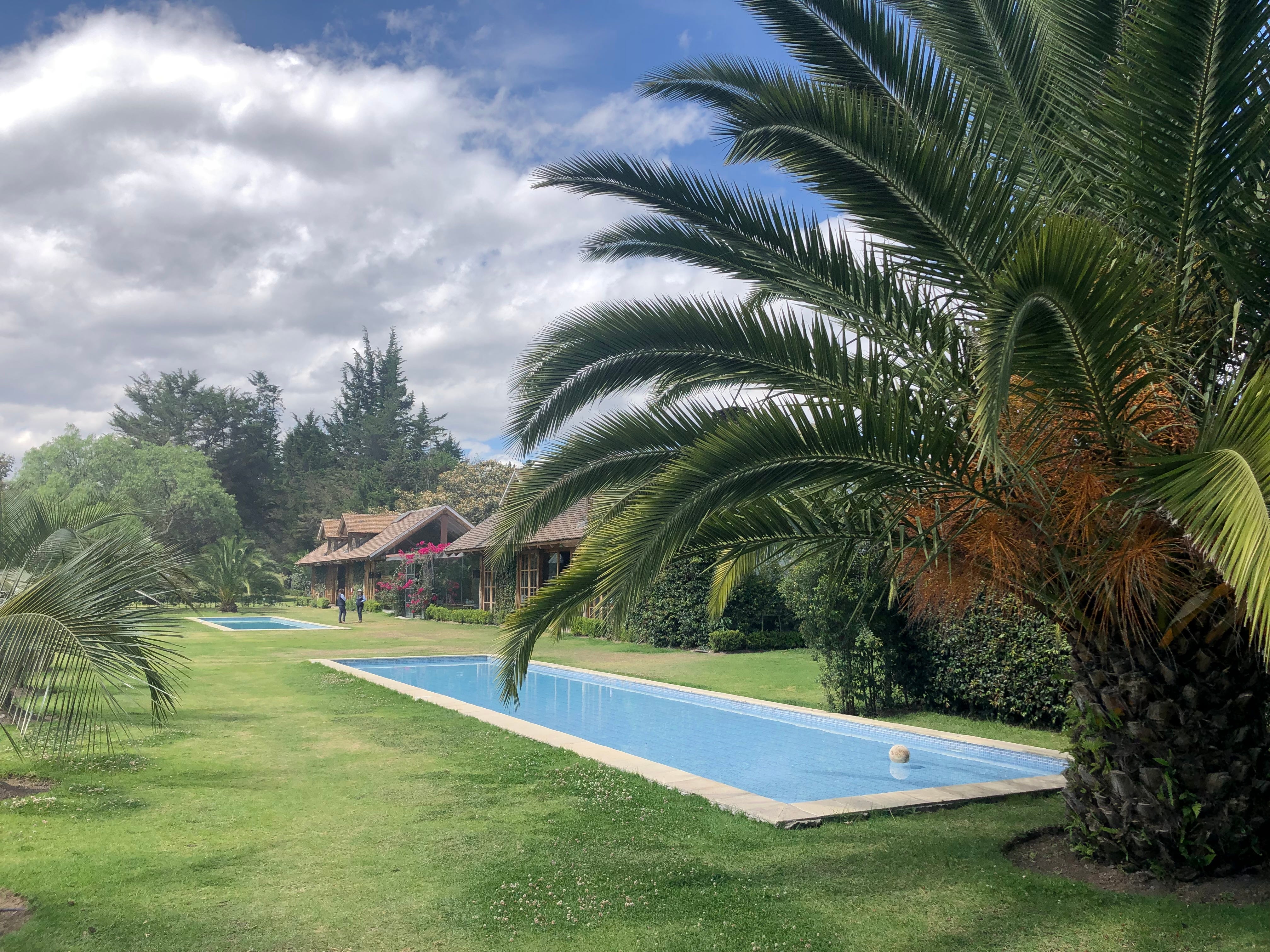
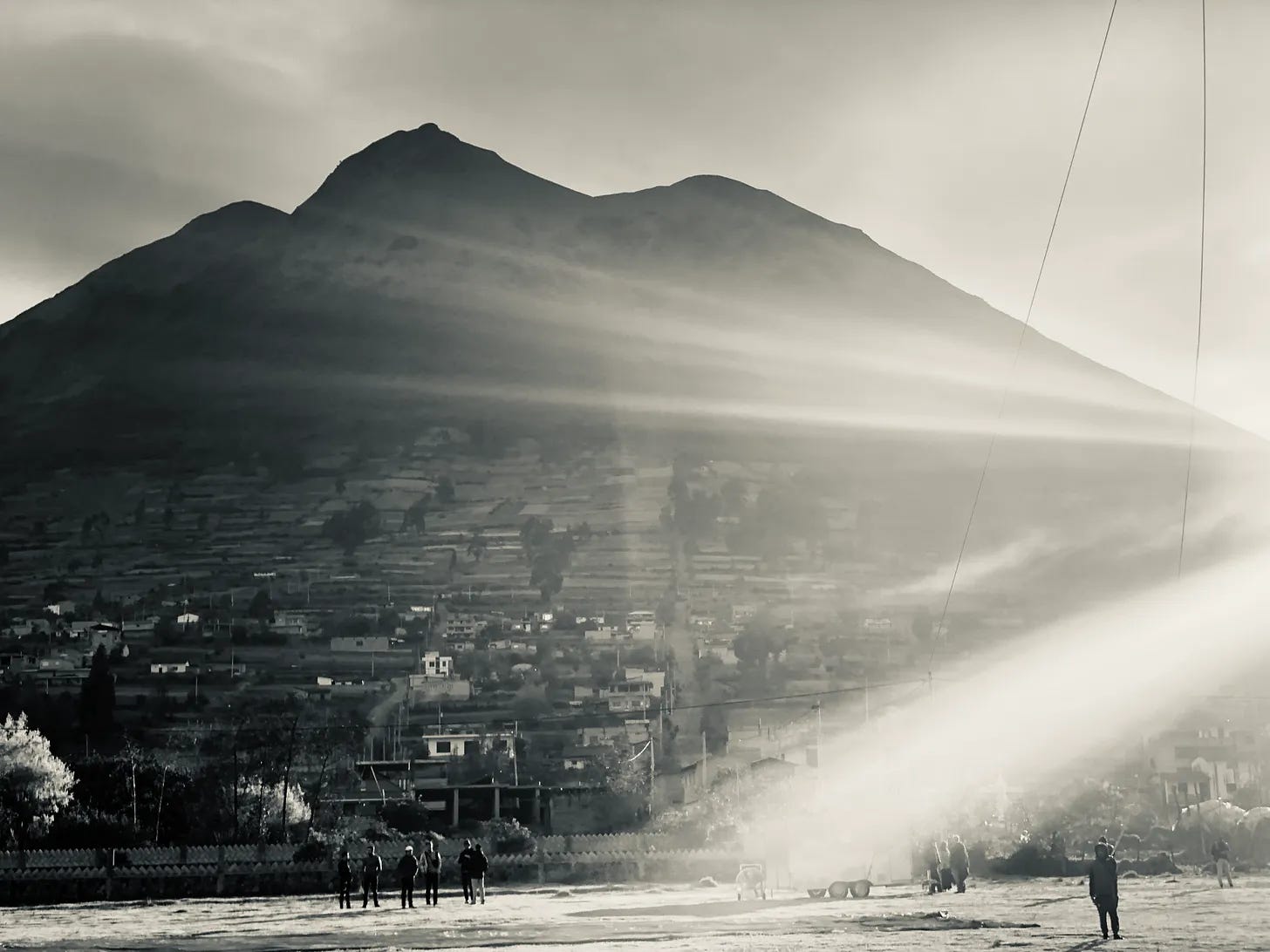
We visited the Palacio de Carondelet and Basílica del Voto Nacional, and I received an early morning tour of the Hacienda Zuleta dairy farm, deep in the Andes, courtesy of its proprietor, who showed me his wall full of polo photos and grounds steeped in Incan history.
At the summit, I shared early concept work for something I call Second Power.
Second Power isn’t a product. It’s a working doctrine focused on energy autonomy, speed, and “post-grid metaphysics.” It’s about treating microgrids, self-generation, and distributed infrastructure as rights, not threats to the grid.
Practically, Second Power means:
Pairing Bitcoin mining load (and other flexible load) with stranded or underutilized energy;
Treating matchmaking between energy assets and evolving demand as infrastructure (think “Zillow for energy,” which groups like Belisari are developing); and
Using regulatory “voice” strategically while building toward real exit options.
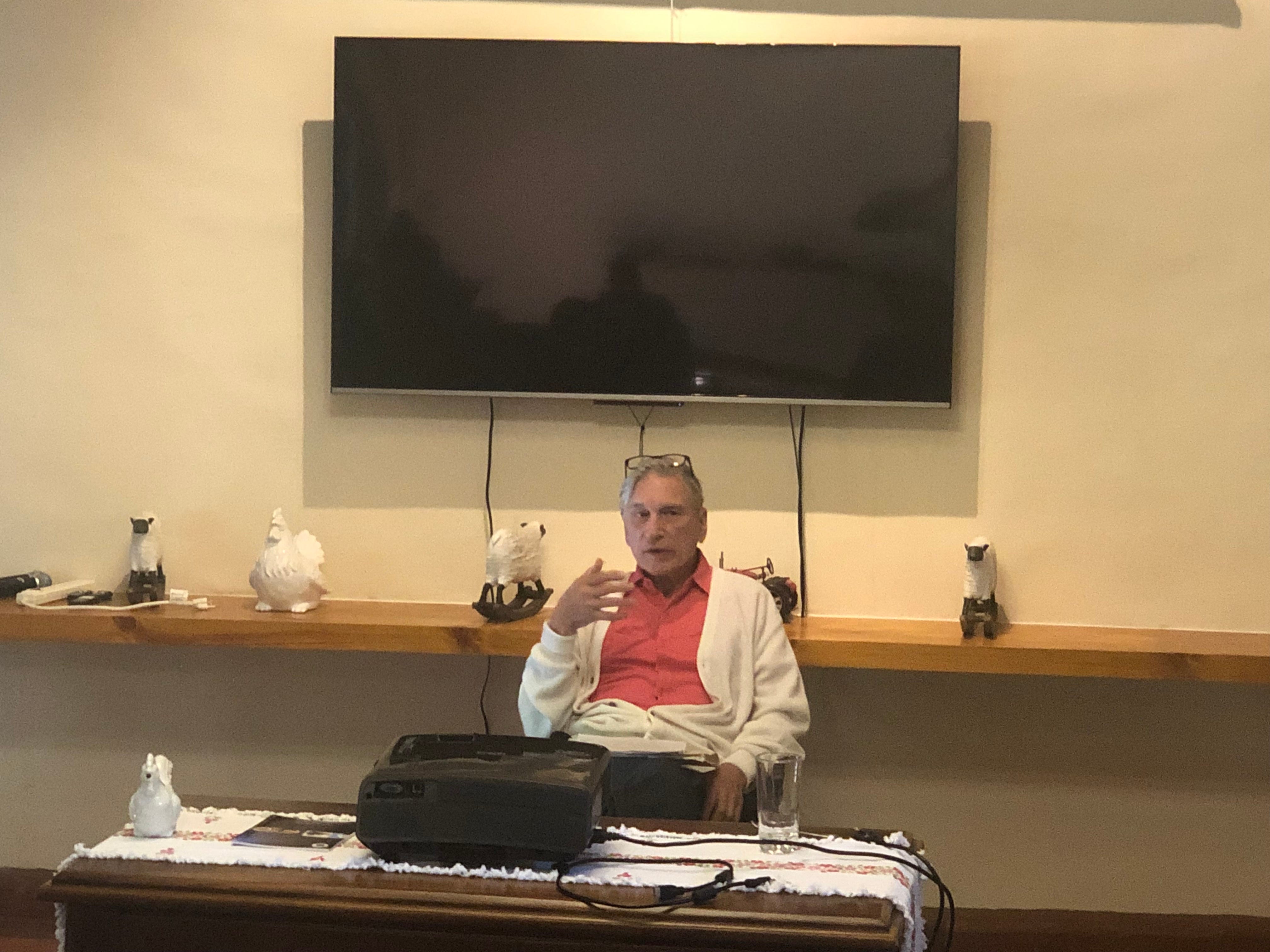
A keynote speaker at the Nowhere Summit was Jeffrey Race, retired military officer, expert on counterinsurgencies in Vietnam, and Harvard-educated author of the military classic “The War Comes to Long An.” A native New Englander, Professor Race lived in Asia for 45 years before returning to Harvard in 2012 to work on a project addressing pathologies in public decision-making. At Harvard, he studied under Henry Kissinger, among other notables.
Professor Race’s conclusion is uncomfortable but consistent across history: failing institutions are rarely reformed into health. They’re outgrown.
The historical examples he cites (Singapore under Lee Kuan Yew, early Islamic Arabia under Muhammad, and Sparta under Lycurgus) weren’t driven by procedural fixes. They were driven by re-norming: small groups, clear values, and preference cascades.
This applies to energy too. Do we keep trying to reform systems that are structurally misaligned with reality, or do we start building parallel ones that eventually make the old defaults irrelevant? This is the urgent question.